1 Boost your local SEO through Google Business Profile
When a customer searches for “restaurants near me” or “where to eat in [your city]”, your Google Business Profile is their first impression. Keeping it updated is the highest-return marketing action available to any restaurant — and it is free.
- 📍 Add your correct address, opening hours, and phone number.
- 📸 Upload at least 5-10 photos of your food, your space, and your team.
- ⭐ Respond to every review — good and bad. A reply shows new customers you’re active and you care.
- 📋 Add your menu. Customers who can see what you serve before arriving are more likely to show up.
A complete profile means you show up when customers are already looking. That is the most valuable moment in marketing.
2 Let your food sell itself on social media
You don’t need a big following or a professional photographer. You need consistency and authenticity.
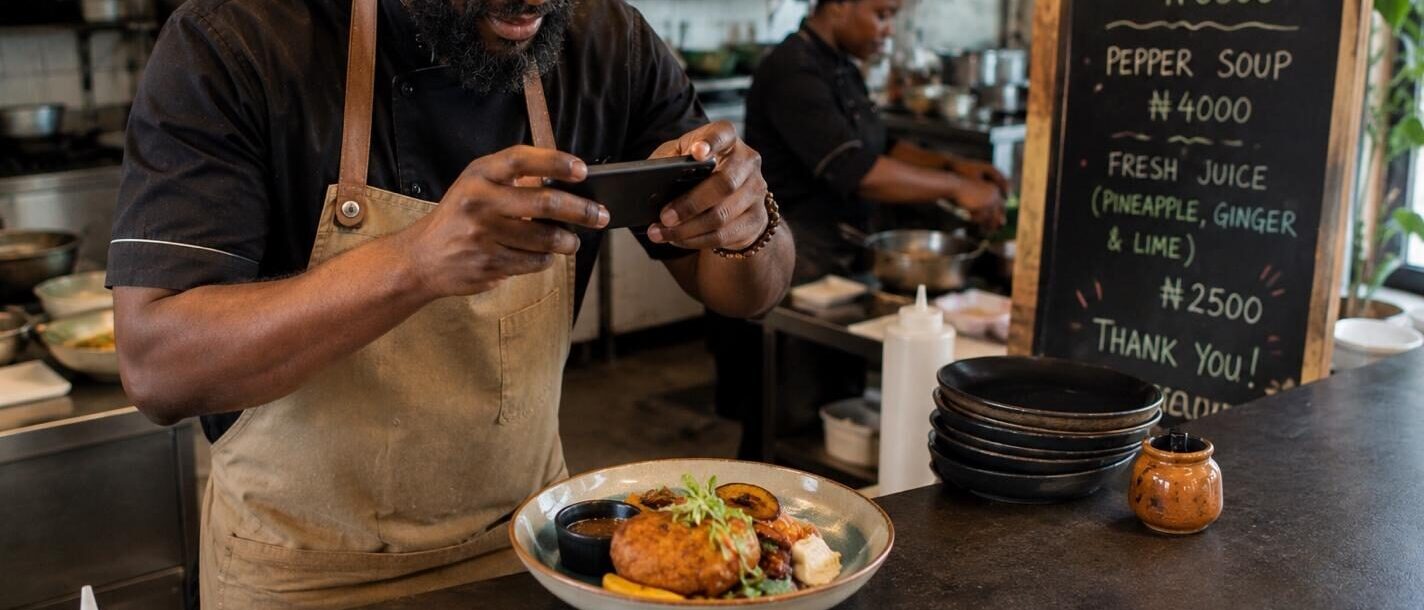
- 📱 Post what you made today. A simple photo of today’s special, taken with your phone in natural light, performs better than a polished campaign that took a week to plan.
- 🎥 Short videos work even better. A 15-second clip of your chef cooking, your packaging being sealed, or a dish being plated gets more reach than any static image on most platforms.
- 💬 Reply to comments and DMs. Customers who get a response from a restaurant are far more likely to visit or order.
- 📅 Pick one platform and post consistently. Three good posts a week on Instagram beats ten scattered posts across five platforms.
3 Turn your happy customers into your marketing team
Word of mouth is still the most effective marketing channel for food businesses — and most restaurants do nothing to deliberately encourage it.
- 🙏 Ask for reviews. A simple personal ask works far better than a generic printed card on the table — tell satisfied customers who are clearly satisfied works far better than a generic printed card on the table.
- 📲 Make it easy to share. If your food looks great and your packaging is clean, customers will share it on their own. Make sure your name and handle are easy to find.
- 🎁 Create a reason to tell friends. A referral discount (bring a friend and both get a free drink) is one of the cheapest customer acquisition tools available.
4 Run promotions that solve a real problem
Promotions work when they solve a specific business problem rather than just offering a discount. The key question is: what behaviour do you want to change?
- ⏰ Fill your slow hours. A special offer available only on Tuesday lunchtimes fixes a specific problem without devaluing your full-price service the rest of the week.
- 🆕 Launch a new dish. A “new on the menu” promotion gives people a reason to try something they wouldn’t have ordered otherwise.
- 🔁 Reward your regulars. A loyalty mechanism — physical or digital — keeps your best customers coming back without constantly discounting for new ones.
5 Optimise your delivery app profile as a marketing channel
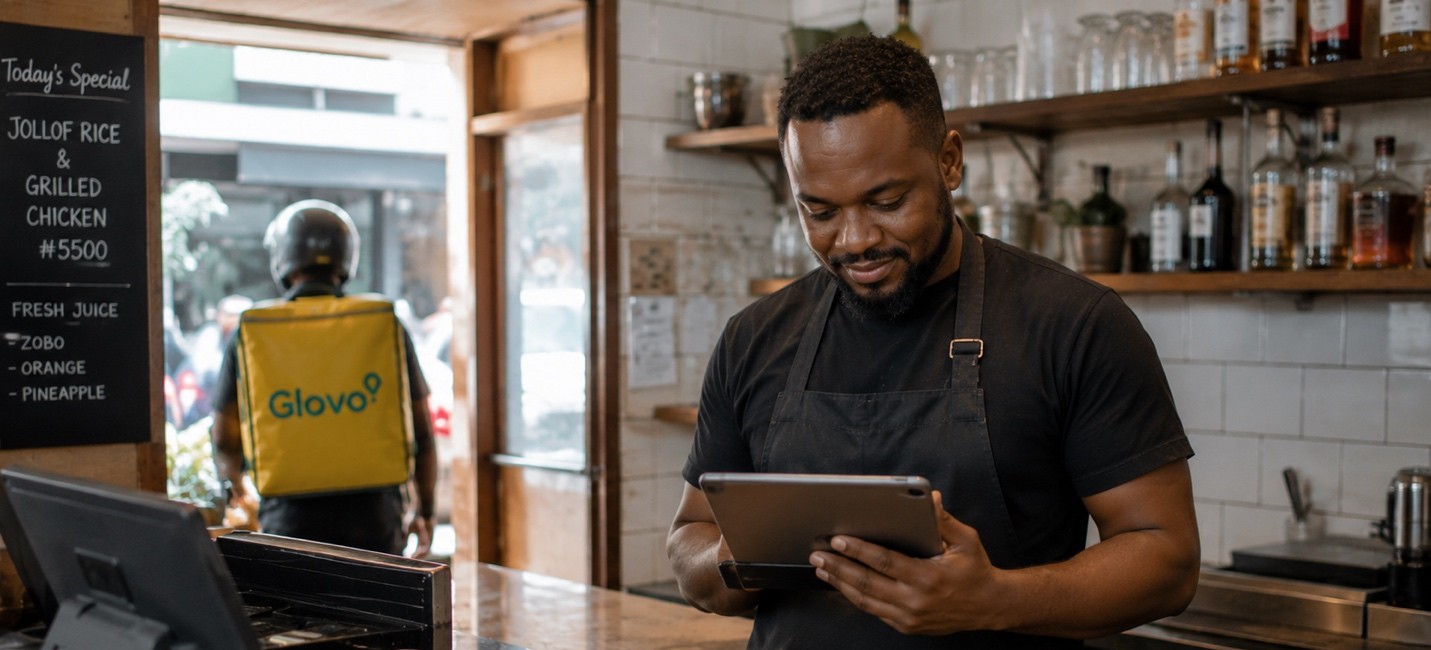
If you are on a delivery app, your profile there is one of the most viewed pages your business has. Most restaurant owners set it up once and never touch it again.
- 🖼️ Update your photos regularly. New dishes, seasonal items, and improved photography all increase conversion rates on your profile.
- 📣 Run in-app promotions strategically. A well-timed offer — a discount for first-time customers, a free side with a minimum order — can significantly increase your order volume for a short period.
- ⭐ Chase your ratings. A restaurant with a 4.5+ rating gets dramatically more orders than one at 3.8. Every order is an opportunity to earn a good review — make sure the packaging and food quality give customers a reason to leave one.
6 Build a local presence offline too
Digital marketing gets most of the attention, but for restaurants the physical neighbourhood still matters.
- 🤝 Partner with nearby businesses. An office building, a gym, or a school near you is a concentrated group of potential customers. A simple arrangement — discounted lunch for their staff, a flyer in their reception — can drive consistent orders.
- 🏘️ Take part in your local community. WhatsApp groups, local Facebook groups, and neighbourhood forums are where people in your area actually ask each other for restaurant recommendations. Being present and visible there costs nothing.
Action plan: what to do at your restaurant now
- 👉 Review your Google Business Profile: check your opening hours and reply to the most recent review you received.
- 📸 Create content: take one good photo of your best dish today and post it on the social platform your customers use most.
- 🎯 Analyse your sales: identify one slow hour or period and design a specific promotion for that window.
- 📱 Optimise your delivery presence. When did you last update your photos or menu description?
- 🤝 Engage your customers: ask at least two tables that had a great experience today to leave a Google review.
Frequently asked questions
What is the most effective marketing for a small restaurant?
Keeping your Google Business Profile updated and consistently posting food photos on one social media platform. Both are free, both reach customers who are actively looking for somewhere to eat, and both compound over time — the more content you have, the more visible you become.
How do I market my restaurant with a small budget?
Focus on owned and earned channels first: Google Business Profile, social media, and word-of-mouth incentives. These cost time, not money. Paid promotion makes sense once you have a clear offer and a tested message — running ads without those in place tends to waste money.
How often should a restaurant post on social media?
Consistency matters more than frequency. Three times a week on one platform is more effective than daily posts on five platforms. The content should be simple and real — your actual food, your actual team, your actual kitchen.
Do delivery app promotions actually bring in new customers?
Yes, particularly for first-time customer offers. A discount for a first order lowers the barrier for customers who have seen your profile but haven’t ordered yet. The key is following up with great food and packaging so those first-time customers become regulars.
Should I be on multiple delivery apps?
Being on one platform well outperforms being on several platforms poorly. If you’re just starting with delivery, focus on building strong ratings and a complete profile on one app before expanding. Once your operation is set up for delivery, adding a second platform becomes much easier.
If you are exploring how delivery platforms can help your restaurant grow, find out how Glovo works for restaurants like yours.